
Weight Loss & Diet Plans
The Power of Portion Control: Tips for Managing Food Intake
Master your portions, master your weight
In the quest for a healthier lifestyle, what you eat is
often emphasized more than how much you eat. Portion control is a crucial, yet often
overlooked, component of a balanced diet. It allows you to enjoy a variety of
foods without overindulgence, helping to maintain a healthy weight and improve
overall health. This article provides practical tips on managing food intake
effectively through portion control.
Understanding Portion Control
Portion control involves understanding how much food is
appropriate for your dietary needs and not exceeding that amount. It’s not just
about eating less; it’s about eating right. Proper portion control can help
prevent overeating and its associated health risks, such as obesity, diabetes,
and cardiovascular diseases.
Tips for Effective Portion Control
- Use
Smaller Plates: A simple trick to manage portions is to use smaller
dinnerware. Plates and bowls of a smaller size make a regular portion
appear more substantial, which can psychologically satisfy hunger without
the need to fill a large plate.
- Read
Food Labels: Pay attention to the serving sizes listed on food labels.
Packaging can often lead to confusion about what constitutes a single
serving, leading to unintentional overeating.
- Meal
Prep: Preparing your meals in advance can help control portion sizes.
By allocating a specific amount of food per meal, you are more likely to
stick to appropriate serving sizes.
- Add
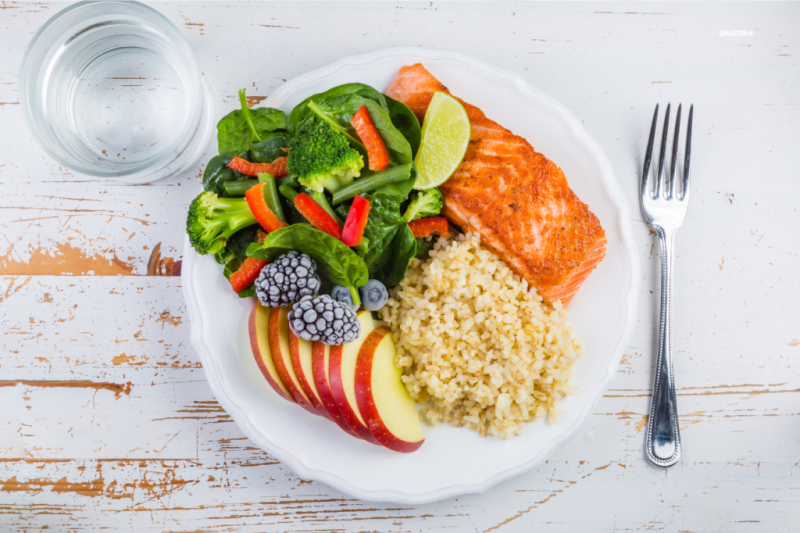
More Vegetables: Fill half of your plate with non-starchy vegetables.
These are low in calories but high in fiber and nutrients, which can help
you feel full without adding a significant number of calories.
- Drink
Water Before Meals: Drinking a glass of water before eating can help
control hunger and prevent overeating. Sometimes thirst is confused with
hunger, so it’s beneficial to stay hydrated.
- Eat
Slowly: It takes about 20 minutes for your brain to receive signals
from your stomach that you are full. By eating more slowly, you give your
body time to process these signals, reducing the risk of overeating.
- Avoid
Eating from the Package: Instead of eating directly from a bag or box,
serve yourself a measured portion in a bowl or on a plate. This prevents
mindless eating and makes it easier to see how much you are consuming.
The Benefits of Portion Control
Managing your portions can lead to significant health
benefits, including weight loss, more stable blood sugar levels, and reduced
risk of heart disease. Portion control is also a more sustainable approach than
restrictive diets, as it allows for a more flexible eating pattern.
Portion control is a powerful tool for managing food intake,
which can lead to improved health and a better quality of life. By implementing
the tips outlined above, you can take charge of your portions, eat a balanced
diet, and enjoy the foods you love in moderation.
Start practicing portion control today. Begin with one meal,
using the tips provided, and gradually apply them to all your meals. Over time,
you’ll notice not just a healthier relationship with food, but also
improvements in your overall health and well-being.