
LiveSmart
Tech Tools for Better Sleep: How to Use Technology Wisely for Improved Rest
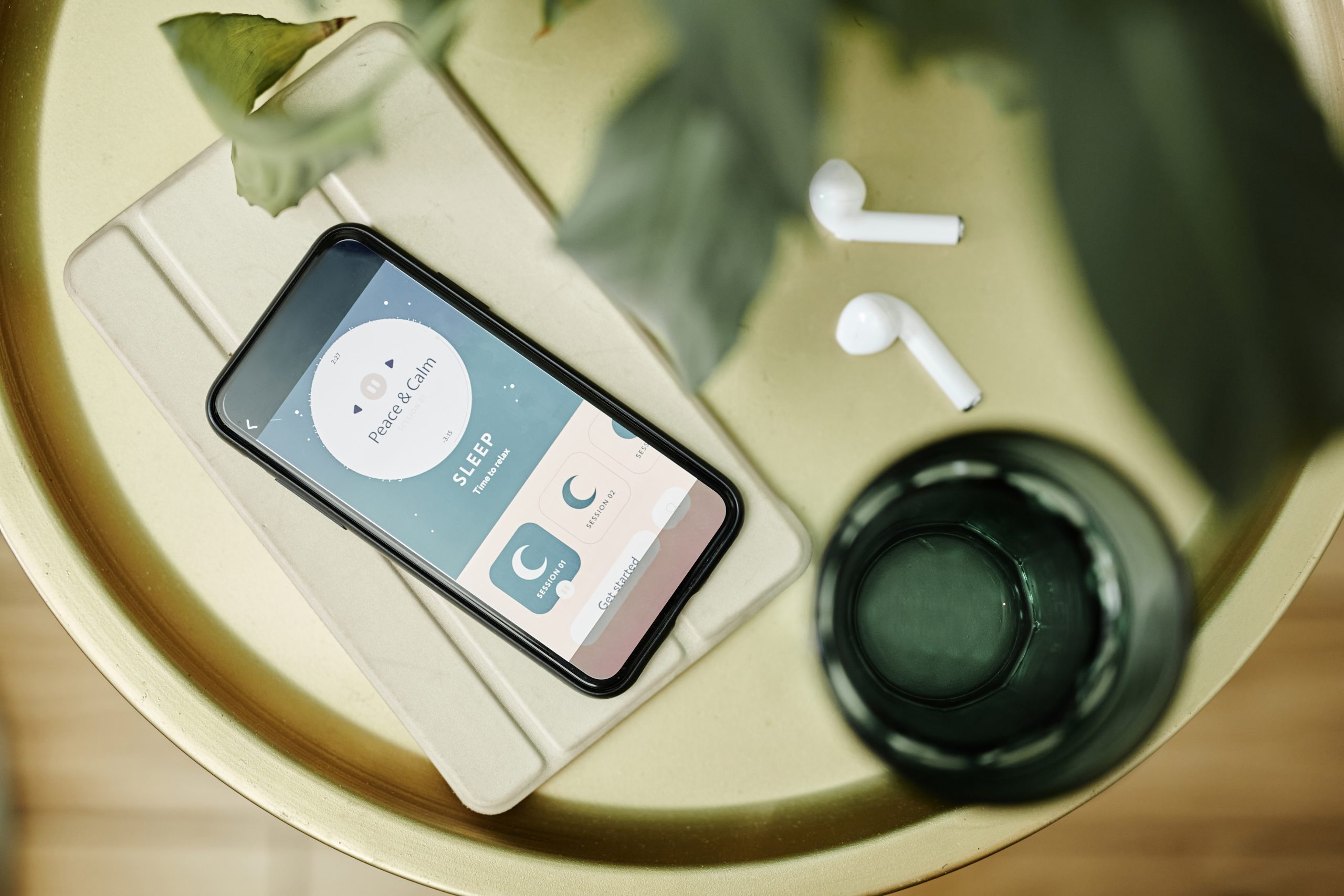
Sleep smarter with technology
In our increasingly digital world, technology can sometimes
be seen as a barrier to good sleep. However, when used wisely, the right tech
tools can actually enhance our sleep quality and help us achieve better rest.
From sleep-tracking apps to smart mattresses, there are numerous gadgets and
apps designed to promote healthy sleep habits. Here’s how you can use
technology to your advantage and sleep smarter.
Understanding the Importance of Sleep
Before diving into the tech tools, it’s essential to
recognize why sleep is so important. Quality sleep is crucial for:
- Physical
Health: Supports immune function, reduces inflammation, and repairs
the body.
- Mental
Health: Enhances cognitive function, mood, and overall mental
well-being.
- Performance:
Improves concentration, productivity, and athletic performance.
Top Tech Tools for Better Sleep
1. Sleep Tracking Apps
Sleep tracking apps can help you understand your sleep
patterns and identify areas for improvement.
- How
They Work: These apps use sensors in your smartphone or wearable
device to monitor your movement, heart rate, and sometimes breathing
patterns during sleep.
- Popular
Apps:
- Sleep
Cycle: Analyzes your sleep and wakes you up during your lightest
sleep phase to help you feel more refreshed.
- Pillow:
Tracks your sleep cycles, records sounds, and offers detailed analysis of
your sleep patterns.
- AutoSleep:
Provides comprehensive sleep tracking and analysis for Apple Watch users.
Tip: Consistently use the app for accurate tracking
and insights.
2. Smart Mattresses and Sleep Monitors
Smart mattresses and sleep monitors offer advanced features
to enhance sleep quality.
- Smart
Mattresses:
- Eight
Sleep Pod: Adjusts the temperature on each side of the bed and tracks
your sleep patterns.
- Sleep
Number 360 Smart Bed: Adjusts firmness and support while tracking
your sleep metrics.
- Sleep
Monitors:
- Withings
Sleep: A pad placed under your mattress that tracks sleep cycles,
heart rate, and snoring, and offers personalized sleep coaching.
- Beddit:
Monitors sleep patterns, heart rate, and breathing, and syncs with your
smartphone for detailed analysis.
Tip: Choose a mattress or monitor that fits your
specific needs and preferences for optimal comfort and tracking.
3. White Noise Machines and Apps
White noise machines and apps can help create a calming
environment conducive to sleep.
- How
They Work: They produce soothing sounds that mask disruptive noises,
helping you fall asleep faster and stay asleep longer.
- Popular
Options:
- LectroFan:
Offers a variety of white noise and fan sounds.
- Marpac
Dohm Classic: Generates natural white noise with an adjustable tone
and volume.
- Apps:
Calm, Relax Melodies, and Noisli offer a range of soothing sounds and
sleep stories.
Tip: Experiment with different sounds to find what
helps you relax the most.
4. Smart Lighting
Smart lighting can help regulate your sleep-wake cycle by
mimicking natural light patterns.
- How
It Works: These systems adjust the light’s intensity and color
temperature to simulate sunrise and sunset, promoting a natural sleep-wake
rhythm.
- Popular
Options:
- Philips
Hue: Customizable smart bulbs that can be programmed to gradually dim
at night and brighten in the morning.
- LIFX:
Offers a range of smart bulbs that can be controlled via an app to create
the perfect lighting environment for sleep.
Tip: Set a schedule that aligns with your natural
sleep cycle to improve sleep quality.
5. Wearable Devices
Wearable devices like smartwatches and fitness trackers can
provide valuable insights into your sleep habits.
- How
They Work: These devices track your movement, heart rate, and
sometimes oxygen levels to analyze your sleep stages and overall sleep
quality.
- Popular
Devices:
- Fitbit:
Offers detailed sleep tracking, including sleep stages and personalized
insights.
- Apple
Watch: Tracks sleep patterns and integrates with sleep apps for
comprehensive analysis.
- Oura
Ring: Monitors sleep, activity, and readiness with advanced sensors
and provides detailed feedback.
Tip: Use the data from your wearable device to make
informed adjustments to your sleep routine.
Tips for Using Technology Wisely
1. Limit Screen Time Before Bed
Excessive screen time, especially before bed, can interfere
with your sleep. The blue light emitted by screens can disrupt your circadian
rhythm.
- Solution:
Use blue light filters on your devices or enable “Night Mode” to reduce
blue light exposure. Aim to turn off screens at least an hour before
bedtime.
2. Create a Tech-Free Sleep Environment
While tech tools can enhance sleep, it’s also important to
create a bedroom environment that minimizes distractions.
- Tip:
Keep your bedroom dark, cool, and quiet. Use tech tools to enhance sleep
quality, but avoid having screens and gadgets that can distract you from
sleeping.
3. Consistent Sleep Schedule
Technology can help you maintain a consistent sleep schedule
by setting reminders and alarms.
- Tip:
Use your sleep tracking app or smart device to establish a regular bedtime
and wake-up time, even on weekends.
Technology, when used wisely, can be a powerful ally in
achieving better sleep. By incorporating sleep tracking apps, smart mattresses,
white noise machines, smart lighting, and wearable devices into your sleep
routine, you can gain valuable insights and create an optimal environment for
rest. Remember to balance the use of technology with good sleep hygiene
practices to ensure you get the restful sleep you need. Sleep smarter with
technology and wake up feeling refreshed and ready to tackle the day.